 书享界
书享界
版权声明
来源:英伟达官网、书享界(readsharecn)
作者:黄仁勋,英伟达CEO
美国当地时间3月10日,英伟达CEO黄仁勋罕见发布署名长文,谈AI的“五层蛋糕”,同时强调了史上最大规模的AI基础设施建设才刚刚开始。“五层蛋糕”是黄仁勋曾多次谈及的一个论述,从下往上分为能源、芯片、基础设施、模型和应用层。
人工智能是五层蛋糕
2026年3月10日 黄仁勋
AI是塑造当今世界的强大力量之一。它并非仅仅是一款巧妙的应用程序,也不是单一的模型,而是如同电力和互联网一样必不可少的基础设施。
AI is one of the most powerful forces shaping the world today. It is not a clever app or a single model; it is essential infrastructure, like electricity and the internet.
AI依托真实的硬件、能源和经济体系运行。它可以将原材料大规模地转化为智能。每家公司都将应用AI,每个国家/地区都将发展AI。
AI runs on real hardware, real energy and real economics. It takes raw materials and converts them into intelligence at scale. Every company will use it. Every country will build it.
要理解AI为何以这种方式发展,我们需要从基本原理进行推理,并了解计算领域发生了哪些根本性变化。
To understand why AI is unfolding this way, it helps to reason from first principles and look at what has fundamentally changed in computing.
1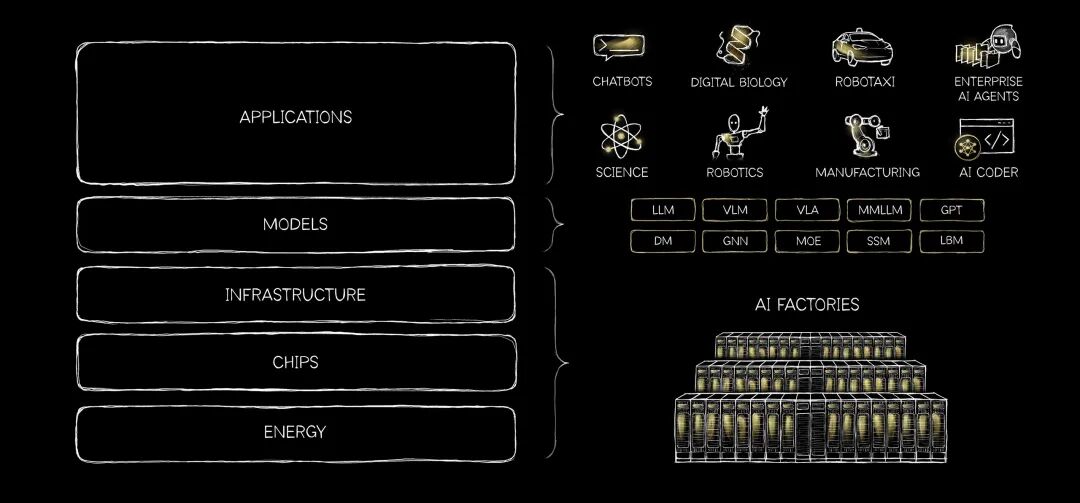
从预制软件到实时智能
在计算技术发展的历史中,软件通常都是预先制作好的。人类描述一种算法,计算机执行此操作。数据必须经过精心设计,存储在表格中,并通过精确查询进行检索。SQL变得不可或缺,因为过去的世界因此得以运转。
For most of computing history, software was prerecorded. Humans described an algorithm. Computers executed it. Data had to be carefully structured, stored into tables and retrieved through precise queries. SQL became indispensable because it made that world workable.
AI打破了这种模式。
AI breaks that model.
我们首次拥有了一台能够理解非结构化信息的计算机。它能够识别图像、阅读文本、聆听声音并理解其含义。它可以根据上下文和意图进行推理。最重要的是,它能够实时生成智能。
For the first time, we have a computer that can understand unstructured information. It can see images, read text, hear sound and understand meaning. It can reason about context and intent. Most importantly, it generates intelligence in real time.
每个回应都是全新创建的。每个答案都取决于你提供的上下文。这并非软件检索存储的指令,而是软件根据需求进行推理并生成智能。
Every response is newly created. Every answer depends on the context you provide. This is not software retrieving stored instructions. This is software reasoning and generating intelligence on demand.
由于智能是实时生成的,因此其背后的整个计算架构都必须重新设计。Because intelligence is produced in real time, the entire computing stack beneath it had to be reinvented.
2
AI即基础设施
从工业角度审视AI,其架构可分解为五层。
When you look at AI industrially, it resolves into a five-layer stack.
最底层是能源。实时生成的智能需要实时产生的电力支持。每一个生成的token,都是电子流动、热量管理以及能量转化为计算的结果。在这一层面之下,没有抽象层。能源是AI基础设施的首要原则,也是制约系统能产生多少智能的瓶颈因素。At the foundation is energy. Intelligence generated in real time requires power generated in real time. Every token produced is the result of electrons moving, heat being managed and energy being converted into computation. There is no abstraction layer beneath this. Energy is the first principle of AI infrastructure and the binding constraint on how much intelligence the system can produce.
能源层之上是芯片。这些处理器旨在大规模地将能源高效转化为计算能力。AI工作负载需要巨大的并行处理能力、高带宽内存和快速互连。芯片层的进展决定了AI的扩展速度以及智能的可适用性。
Above energy are the chips. These are processors designed to transform energy into computation efficiently at massive scale. AI workloads require enormous parallelism, high-bandwidth memory and fast interconnects. Progress at the chip layer determines how fast AI can scale and how affordable intelligence becomes.
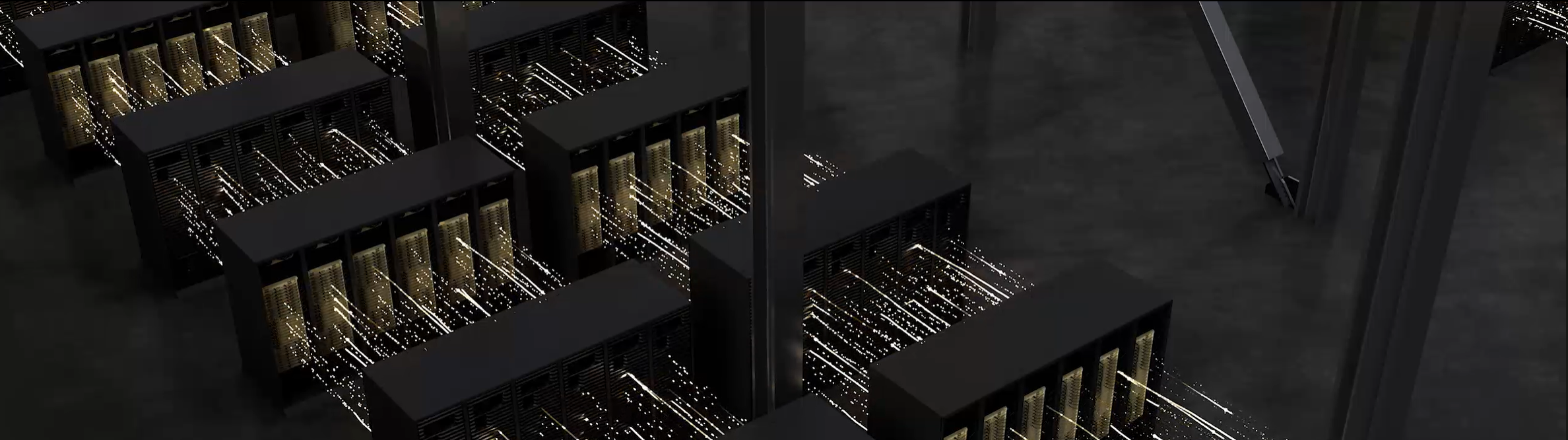
芯片之上是基础设施层。这包括土地、供电、冷却系统、建筑工程、网络通信,以及将成千上万处理器编排到一台机器的系统。这些系统就是AI工厂。它们的设计目的并非存储信息,而是制造智能。Above chips is infrastructure. This includes land, power delivery, cooling, construction, networking and the systems that orchestrate tens of thousands of processors into one machine. These systems are AI factories. They are not designed to store information. They are designed to manufacture intelligence.
基础设施层之上是模型层。AI模型能够理解多种类型的信息:语言、生物学、化学、物理学、金融学、医学以及物理世界本身。语言模型只是其中一个类别。一些最具变革性的工作正发生在蛋白质AI、化学AI、物理模拟、机器人技术和自主系统等领域。
Above infrastructure are the models. AI models understand many kinds of information: language, biology, chemistry, physics, finance, medicine and the physical world itself. Language models are only one category. Some of the most transformative work is happening in protein AI, chemical AI, physical simulation, robotics and autonomous systems.
最上层是应用层,经济价值在此产生,比如药物研发平台、工业机器人、法律助手、自动驾驶汽车等。自动驾驶汽车是AI机器应用的具体表现。人形机器人则是AI具身应用的具体表现。同样的架构,能带来不同的成果。At the top are applications, where economic value is created. Drug discovery platforms. Industrial robotics. Legal copilots. Self-driving cars. A self-driving car is an AI application embodied in a machine. A humanoid robot is an AI application embodied in a body. Same stack. Different outcomes.
这就是五层蛋糕架构:
That is the five-layer cake:
能源→芯片→基础设施→模型→应用
Energy → chips → infrastructure → models → applications.
每一个成功的应用都会拉动其下的每一层,直至维持其运行的动力设备。Every successful application pulls on every layer beneath it, all the way down to the power plant that keeps it alive.
我们才刚刚开始这一建设进程,目前已投入数千亿美元,但仍需建设价值数万亿美元的基础设施。
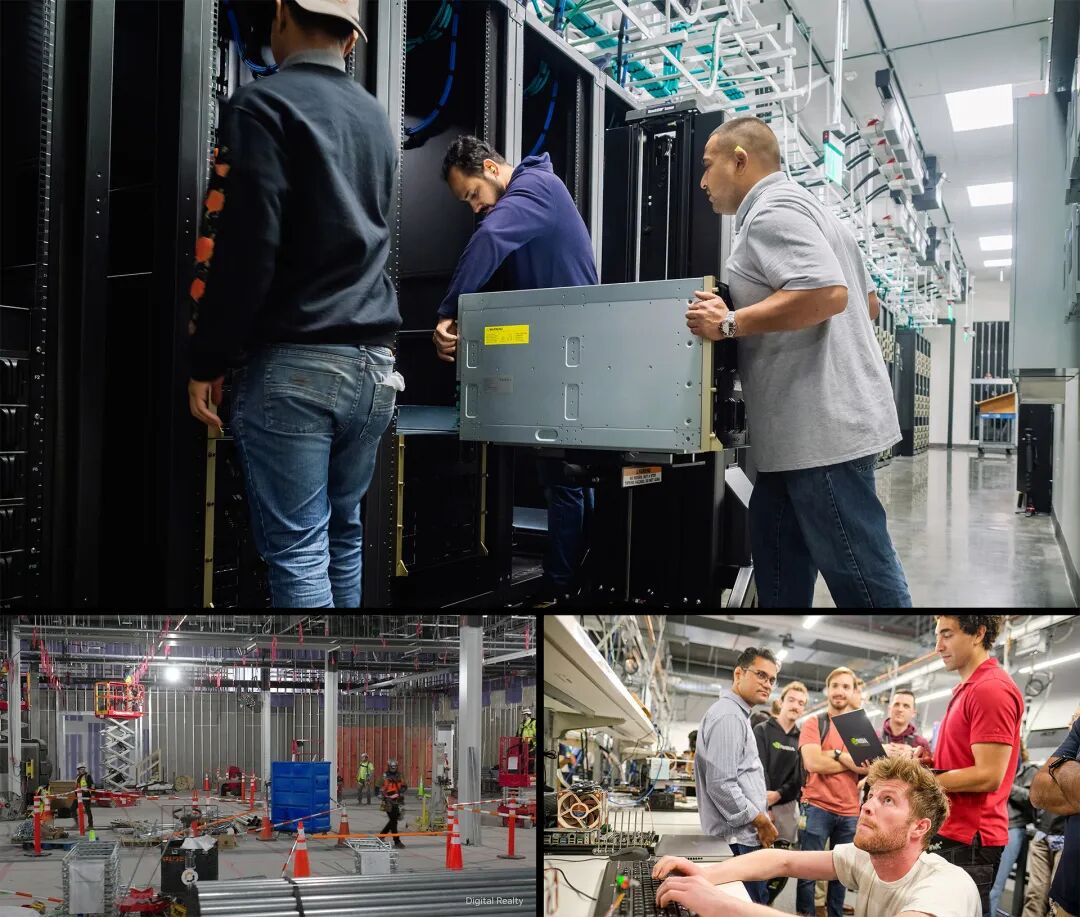
放眼全球,我们看到芯片工厂、计算机组装厂和AI工厂正在以前所未有的规模建设。这正在成为人类历史上规模最大的基础设施建设。
支撑这一建设进程所需的人力非常庞大。AI工厂需要电工、管道工、管件工、钢铁工人、网络技术人员、安装人员和操作员等。
这些都是技术性强、待遇优厚的工作岗位,且目前供不应求。参与这场变革无需拥有计算机科学博士学位。
与此同时,AI正在提高整个知识经济领域的生产力。以放射学为例,AI已经能够辅助解读扫描影像,但对放射科医生的需求仍在持续增长。这并非矛盾现象。
放射科医生的职责就是照顾患者,而解读扫描影像只是其工作中的一个环节。当AI承担更多的常规工作时,放射科医生可以专注于判断、沟通和护理。医院的工作效率将越来越高,将能够为更多的患者提供服务,也会雇佣更多员工。
生产力提升创造产能,产能扩大推动增长。
3
过去一年的变化
在过去一年里,人工智能跨越了一个重要的门槛。模型变得足够优秀,能够大规模使用。推理能力提升。幻觉减少。接地能力显著改善。基于人工智能的应用首次开始产生真正的经济价值。
药物研发、物流、客户服务、软件开发和制造领域的应用已经展现出强大的产品市场契合度。这些应用会对其下方的每一层架构都产生强劲的拉动效应。
Applications in drug discovery, logistics, customer service, software development and manufacturing are already showing strong product-market fit. These applications pull hard on every layer beneath them.
开源模型在这里起着关键作用。世界上大多数模型都是免费的。研究人员、初创企业、企业乃至整个国家都依赖开放模型参与先进人工智能。当开放模型进入前沿时,他们不仅仅是更换软件。它们会在整个堆栈中激活需求。
Open source models play a critical role here. Most of the world’s models are free. Researchers, startups, enterprises and entire nations rely on open models to participate in advanced AI. When open models reach the frontier, they do not just change software. They activate demand across the entire stack.
DeepSeek-R1就是一个很好的例子。通过广泛开放强大的推理模型,它加速了应用层的普及,并带动了底层对训练、基础设施、芯片和能源的需求增长。
DeepSeek-R1 was a powerful example of this. By making a strong reasoning model widely available, it accelerated adoption at the application layer and increased demand for training, infrastructure, chips and energy beneath it.
4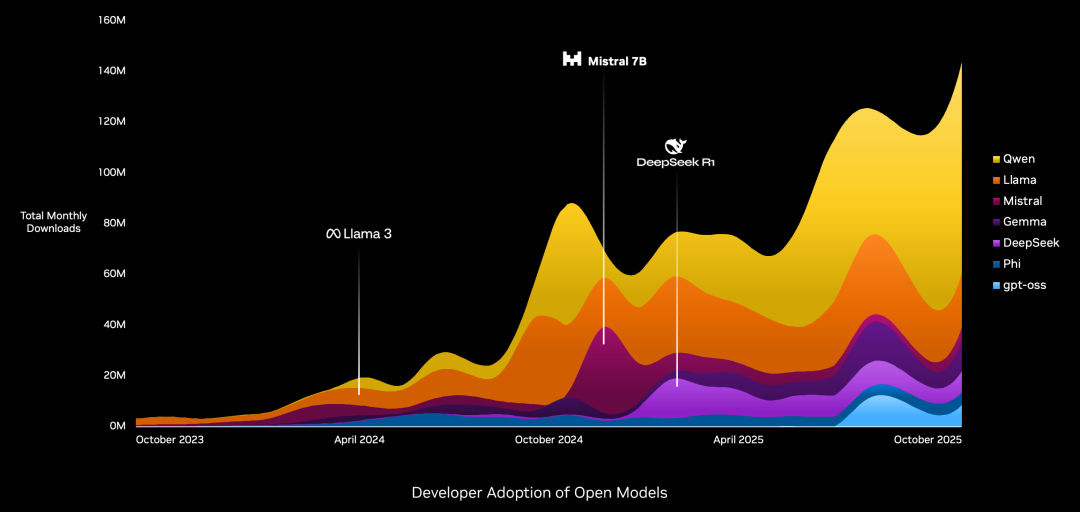
有什么意义?
当你将AI视为必不可少的基础设施时,其影响便显而易见。
When you see AI as essential infrastructure, the implications become clear.
AI始于Transformer大语言模型。但其意义远不止于此。这是一场工业变革,重塑了能源的生产和消费方式、工厂的建设方式、工作组织方式以及经济增长的方式。
AI starts with a transformer LLM. But it’s much more. It is an industrial transformation that reshapes how energy is produced and consumed, how factories are built, how work is organized and how economies grow.
人工智能工厂正在建设,因为智能现在是实时生成的。芯片正在重新设计,因为效率决定了智能的扩展速度。能量之所以成为核心,是因为它设定了智能的产生上限。应用加速是因为它们底下的模型已经跨过了一个门槛,最终在大规模中变得有用。
AI factories are being built because intelligence is now generated in real time. Chips are being redesigned because efficiency determines how fast intelligence can scale. Energy becomes central because it sets the ceiling on how much intelligence can be produced at all. Applications accelerate because the models beneath them have crossed a threshold where they are finally useful at scale.
每一层都相互强化。
Every layer reinforces the others.
正因如此,AI建设规模才如此庞大,它才能够同时触及众多行业,并不会局限于单一国家/地区或单一领域。每家公司都将使用AI,每个国家都将发展AI。
This is why the buildout is so large. This is why it touches so many industries at once. And this is why it will not be confined to a single country or a single sector. Every company will use AI. Every nation will build it.
我们仍处于早期阶段。大部分基础设施尚未建成,大部分劳动力尚未接受培训,大部分机遇尚未得到发掘。
但方向已然明确。
AI正在成为现代世界的基础设施。而我们此刻的选择、构建速度、参与广度以及如何负责任地部署它将决定这个时代走向何方。


书享界保留所有权 |书享界 » 黄仁勋发布署名文章:人工智能是五层蛋糕